Energy efficiency testing is often misunderstood, even by contractors who claim to specialise in it. Two of the most commonly confused diagnostics are HERS duct testing and blower door testing. They are frequently mentioned together, sometimes bundled into a single “energy test,” and often explained poorly.
They are not the same. They do not measure the same thing. They do not solve the same problems. Treating them as interchangeable leads to incorrect fixes, wasted money, and continued comfort issues.
This article breaks down the functional differences, testing processes, use cases, and limitations of both methods so homeowners, builders, and property managers understand exactly when each test is needed and how the results should be interpreted.
Purpose and Scope of Each Test
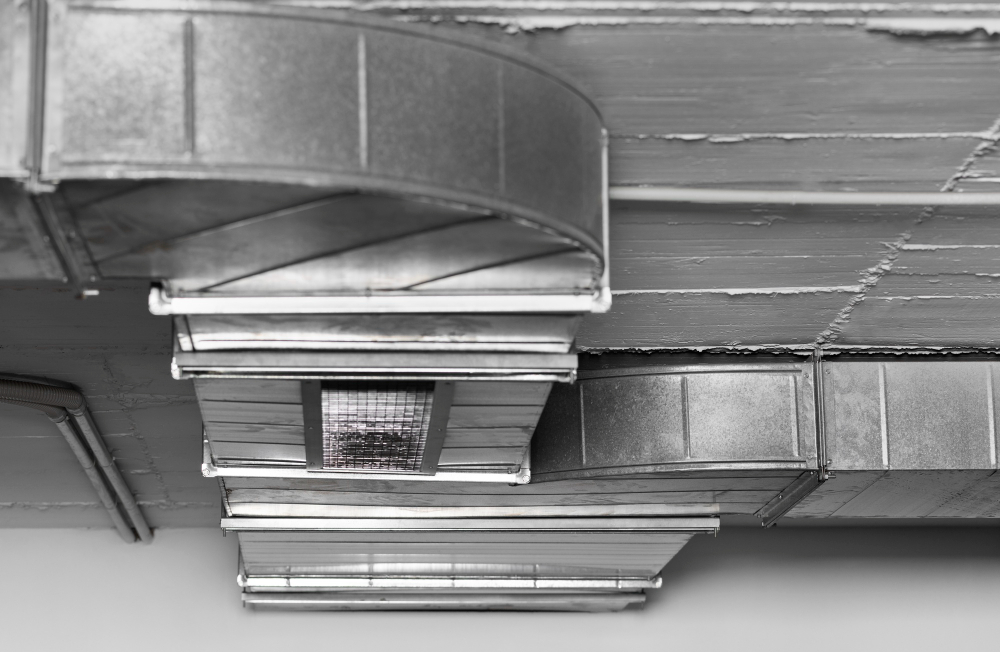
HERS duct testing focuses exclusively on air leakage within HVAC duct systems. It measures how much conditioned air escapes before reaching the living space. The structure of the home is not evaluated during this test.
Blower door testing focuses on air leakage through the building envelope. It evaluates the tightness of walls, ceilings, floors, windows, doors, and all penetrations between conditioned and unconditioned space. The HVAC duct system is not isolated or measured independently.
Both tests assess air leakage, but they apply that measurement to entirely different systems.
Duct System Leakage Measurement
During HERS duct testing, the duct system is sealed and pressurised using a duct blaster fan. Registers are temporarily blocked, and pressure is applied directly to the ductwork.
The test measures:
- Total duct leakage
- Leakage to the outside
- Air loss relative to system size
Results are expressed as CFM (cubic feet per minute) at a specific pressure, usually CFM25.
This test identifies:
- Disconnected ducts
- Poorly sealed joints
- Leaks in attics, crawlspaces, and wall cavities
- Installation defects common in both new and older homes
A home can pass a blower door test and still fail duct leakage limits badly. That scenario is far more common than people expect.
Building Envelope Air Leakage Measurement
Blower door testing uses a large calibrated fan mounted into an exterior doorway. The fan depressurises or pressurises the entire house, forcing air through every crack and opening in the building envelope.
The test measures:
- Total air leakage of the structure
- Air changes per hour (ACH)
- Overall airtightness
Results are expressed as ACH50, which indicates how many times the air inside the home is replaced per hour at 50 Pascals of pressure.
This test exposes:
- Leaky windows and doors
- Poorly sealed attic planes
- Plumbing and electrical penetrations
- Construction gaps behind walls and ceilings
It evaluates how well the house itself separates indoor and outdoor air—not how air moves through ducts.
Differences in Energy Loss Impact
Duct leakage wastes energy after it has already been paid for. Heated or cooled air escapes into unconditioned space, forcing the HVAC system to work harder to maintain set temperatures.
Envelope leakage increases energy demand before comfort is even established. Outside air constantly enters the home, requiring additional heating, cooling, and dehumidification.
In practical terms:
- Duct leakage reduces system efficiency
- Envelope leakage increases load on the system
Fixing one does not automatically improve the other.
Testing Conditions and Preparation
HERS duct testing requires:
- HVAC system installed and operational
- All registers accessible
- Temporary sealing of vents
- Isolation of duct zones if required
Blower door testing requires:
- Exterior doors and windows closed
- Interior doors open
- Combustion appliances properly prepared
- Whole-house access
Neither test can be rushed without compromising accuracy. Poor preparation leads to misleading data, which leads to incorrect recommendations.
Learn More: Duct Leakage Testing Explained: Boosting Efficiency & Comfort in Massachusetts Home
Code Compliance and Certification Use
HERS duct testing is commonly required for:
- New construction HERS ratings
- HVAC system replacements
- Energy code compliance involving duct performance
- Incentive and rebate programs
Blower door testing is commonly required for:
- Residential energy code compliance
- New construction airtightness verification
- Renovation performance verification
- Energy audits and diagnostics
In many jurisdictions, both tests are mandatory for final approval. Passing one does not compensate for failing the other.
Comfort and Indoor Air Quality Implications
Leaky ducts often cause:
- Hot or cold rooms
- Weak airflow
- Pressure imbalances
- Increased dust from attics or crawlspaces
Leaky envelopes often cause:
- Drafts
- Temperature swings
- Humidity problems
- Outdoor pollutants entering the home
Homeowners frequently misidentify the source of discomfort. Sealing ducts will not fix drafts from leaky walls. Air sealing the envelope will not fix air delivery problems caused by duct leakage.
Common Misconceptions
One of the most persistent myths is that blower door testing “covers everything.” It does not. A blower door test can show a tight house while duct leakage remains severe.
Another misconception is that duct leakage only matters in older homes. In reality, poorly installed duct systems are extremely common in new construction, especially in attics.
Energy testing is diagnostic work, not a guessing game. Each test answers a different question.
Situations Requiring Combined Testing
Both tests should be performed together when:
- Utility bills remain high despite upgrades
- New HVAC systems fail to improve comfort
- Homes undergo major renovations
- Energy ratings or certifications are required
- Moisture or air quality issues persist
Skipping one test creates blind spots. Blind spots cost money.
Result Interpretation and Next Steps
Test results are only useful if interpreted correctly.
Duct test failures point toward:
- Sealing duct joints
- Replacing damaged runs
- Improving duct layout
- Addressing pressure imbalances
Blower door failures point toward:
- Air sealing penetrations
- Improving attic plane sealing
- Addressing window and door leakage
- Controlling ventilation intentionally
Throwing insulation at air leakage problems without testing is ineffective and often counterproductive.
Learn More: Top Causes of Air Leaks in New Homes (And How Massachusetts Builders Can Avoid Them)
Role of Home Energy Efficiency Consultant
At Home Energy Efficiency Consultant, HERS duct testing and blower door testing are treated as diagnostic tools, not sales triggers. The goal is to identify measurable energy losses and target them logically.
Testing is performed to:
- Identify real performance gaps
- Prioritise corrective work
- Verify improvements after upgrades
- Support code compliance and certification
Energy efficiency only works when measurement comes before intervention.
Final Comparison Summary
- HERS duct testing evaluates HVAC air delivery losses
- Blower door testing evaluates structural air leakage
- Each test measures different systems
- Each test addresses different problems
- One test cannot replace the other
Understanding this distinction prevents wasted upgrades and incomplete solutions.