Blower Door Testing Orange MA
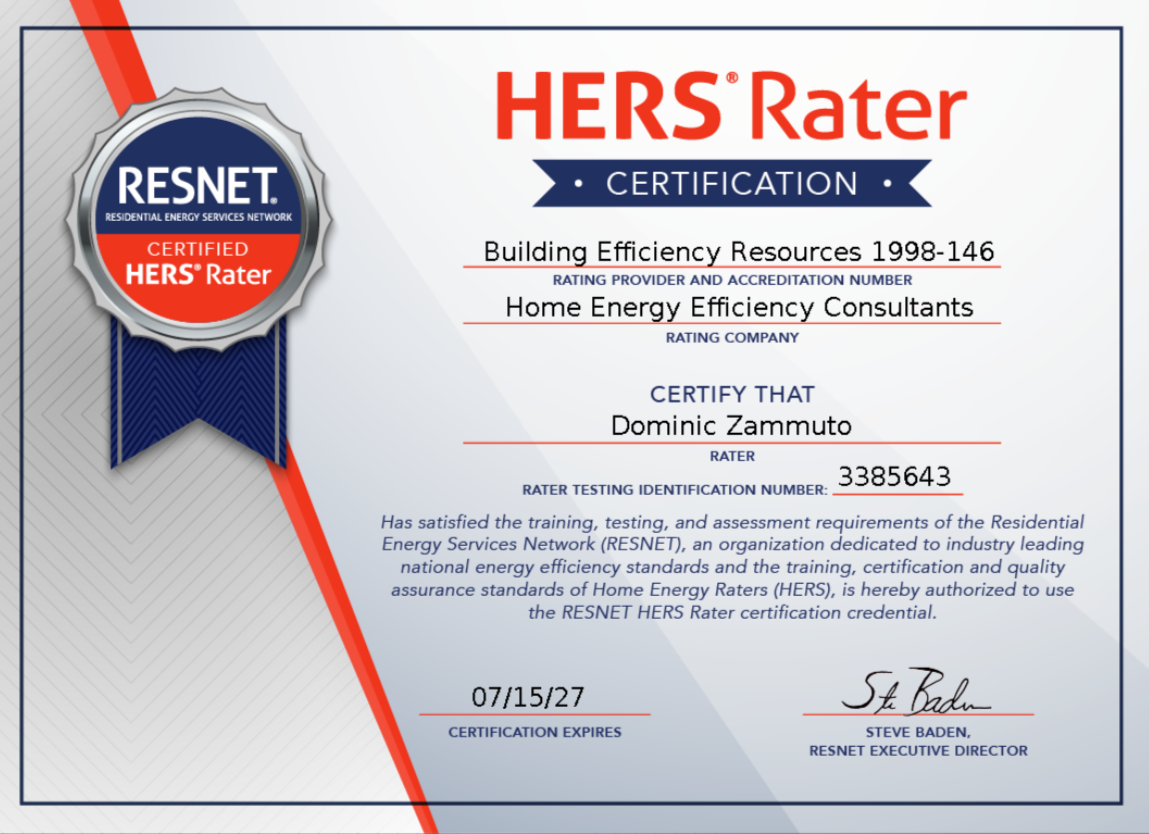
Blower Door Testing Orange MA services for new construction, additions, and renovations. Home Energy Efficiency Consultants provides certified blower door testing in Orange, Massachusetts for homeowners, builders, and developers who need energy code compliance and clear project guidance.
Why clients choose us
We help projects in Orange with blower door testing, energy code guidance, practical field support, and clear communication from planning through completion.
Blower Door Testing Orange MA Services
Looking for Blower Door Testing Orange MA services? We provide certified blower door testing for homes throughout Franklin County, with support for new construction, additions, and major renovations.
We help projects in Orange meet Massachusetts energy code requirements with practical guidance on air sealing, building tightness, enclosure performance, and final project verification.
Serving homeowners, builders, and developers across Orange, Massachusetts, Home Energy Efficiency Consultants provides practical support from planning through project completion.
Best fit for projects like:
- New construction homes
- Additions and expansions
- Gut renovations
- Permit-driven energy compliance
- Projects needing blower door testing
Learn more about home energy ratings, RESNET standards, and Mass Save programs.
Blower Door Testing Orange MA Project Support
Blower Door Testing Orange MA services help builders and homeowners plan for energy code compliance, documentation, and project completion.

Certified Blower Door Testing Orange MA
We provide blower door testing support for new homes, additions, and major renovations in Orange, Massachusetts.
Energy Code Guidance in Orange
Our Blower Door Testing Orange MA services help projects stay organized with practical guidance from planning through completion.
Why Choose Us for Blower Door Testing Orange MA
Strong communication, local knowledge, and practical project support.
- Massachusetts energy code experience
- Fast report turnaround
- Clear communication throughout the project
- Practical field support for builders and homeowners
- Trusted by clients across Massachusetts
Most blower door testing projects in Orange fall within this range depending on home size, design complexity, and project scope.
Blower Door Testing Orange MA Facts
Helpful answers for homeowners, builders, and developers planning a project in Orange.
What is blower door testing?
Blower door testing measures how much air leaks in and out of a home or building and is commonly used for new construction, additions, and major renovations in Massachusetts.
Who may need it?
Builders, homeowners, and developers in Orange may need blower door testing depending on project size, code path, and permit requirements.
Why local experience matters
Local experience helps ensure your project is reviewed with Massachusetts requirements, practical construction details, and real jobsite conditions in mind.
What the process may include
Depending on the project, the process may include plan review, field verification, air leakage testing, and final compliance support.
Trusted for Blower Door Testing Orange MA
Real customer feedback helps show the level of service clients expect from Home Energy Efficiency Consultants.
Eleni Kaplan
Google Review
“Dominic got us 50k back on a 3 family we renovated through the HERS rating! We will definitely be using him for future projects. He’s a huge team player — we highly recommend him.”
Kevin McLaughlin
Google Review
“We were working on a house renovation and needed a HERS rating to get our permit. Dominic was very knowledgeable, extremely professional, and efficient.”
Luis Maldonado
Google Review
“If you’re looking for a reliable HERS rating company, this is it. Professional, knowledgeable, and efficient. They also helped me secure rebates I didn’t even know were available.”
Valentina Valencia Valencia
Google Review
“Best decision I made was hiring Home Energy Efficiency Consultants LLC. Their attention to detail and willingness to answer all my questions made the process stress-free.”
Related Blower Door Testing Orange MA Services
Helpful internal links for users and search engines.
Nearby Blower Door Testing Orange MA Areas We Serve
We also provide blower door testing services near Orange and throughout Massachusetts.
FAQ About Blower Door Testing Orange MA
Common questions about blower door testing in Orange, Massachusetts.
Do I need blower door testing in Orange, MA?
Many new homes, additions, and renovation projects in Orange may require blower door testing depending on the project type and compliance path.
How much does blower door testing cost in Orange?
Most projects range from $600 to $2,500 depending on home size, design complexity, and project scope.
How long does the process take?
Timing depends on the project, but reports and project support are handled as efficiently as possible to keep construction moving.
Do you work with builders and homeowners?
Yes. We work with builders, homeowners, developers, and investors throughout Orange and Massachusetts.
Get Started With Blower Door Testing Orange MA
Contact Home Energy Efficiency Consultants today for certified blower door testing and project support in Orange, Massachusetts.