Boston Net Zero Carbon Zoning: What Developers Need to Know
Boston now requires larger new buildings that go through Article 80 review to meet Net Zero Carbon. That means zero operating emissions for most building types, a LEED certifiable design and embodied carbon reporting. Here is who it applies to, how you comply and where a HERS Rater and Passive House consultant fits in.
The short version
New buildings with 15 or more units or 20,000 sq ft or more, and additions of 50,000 sq ft or more, must show net zero operating emissions at Article 80 review and then report every year through BERDO.
Who Boston Net Zero Carbon Applies To
Boston Net Zero Carbon (NZC) is part of Zoning Article 37. It covers new buildings with 15 or more units or 20,000 sq ft or more, and additions of 50,000 sq ft or more, that go through Article 80 review. Multifamily, office, retail, school, lodging and similar buildings must open with net zero operating emissions. Labs, hospitals and manufacturing get phased timelines.
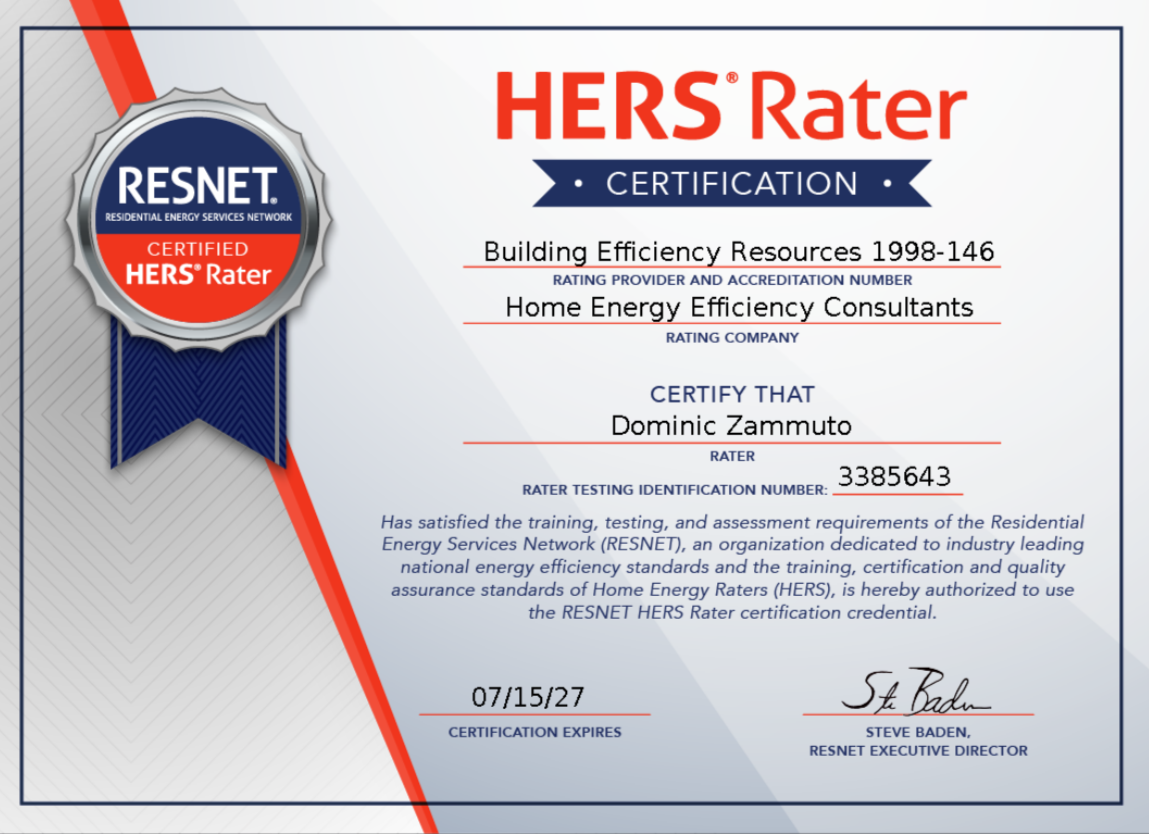
Written by Dominic Zammuto, RESNET-certified HERS Rater (#3385643) and Phius Certified Verifier, Multifamily Qualified (Phius ID 124235). Checked against Boston Planning Department sources in November 2026. Zoning changes often, so confirm with the city or town before you design.
| Project | Covered? |
|---|---|
| New building with 15 or more residential units | Yes |
| New building of 20,000 sq ft or more | Yes |
| Addition of 50,000 sq ft or more | Yes |
| Renovations | No (exempt) |
| Additions under 50,000 sq ft | No (exempt) |
| Change of use | No (exempt) |
Ways to Reach Net Zero Carbon
Efficient, all-electric design
The cheapest ton of carbon is the one you never emit. An all-electric or very efficient low-carbon building needs far fewer offsets every year.
On-site renewables
Rooftop solar, solar thermal or wind on the building reduce the emissions you have to cover.
Off-site clean power
Power purchase agreements, Boston Community Choice Electricity and Massachusetts Class I RECs can cover the rest.
Alternative compliance payment
Emissions that are left over can be covered with a payment of $234 per ton of CO2.
Passive House and the Specialized Code path cut operating energy the most, so they shrink the yearly offset bill. Boston is a Specialized Code city, so residential buildings over 12,000 sq ft already have to use the Passive House path. See Specialized Code requirements.
What You File and When
Boston still requires LEED certifiable design under Article 37. Net Zero Carbon adds to it; it does not replace it.
| Stage | What Boston asks for |
|---|---|
| Project Notification Form (PNF) | Energy model, Climate Resilience Checklist, LEED checklist and a preliminary embodied carbon analysis |
| Board approval | Net Zero Carbon Acknowledgement Letter |
| Building permit | Updated energy model, embodied carbon analysis, Climate Resilience Checklist and LEED checklist |
| After occupancy | Annual reporting through BERDO, with third-party data verification by May 15 after the first full calendar year |
How We Help in Boston
Check the rules before design is locked
We read the Boston requirement against your plans early and pick the cheapest pathway that passes.
Energy modeling
Our Certified Passive House Consultant models the building early so the energy model you file with the PNF is realistic and the yearly emissions, and any offset cost, are known before you commit.
Documents for permits and review
We prepare the energy code paperwork for the building department and the energy numbers your architect or permitting team needs. HEEC does not do LEED; if your project needs LEED, your LEED consultant handles that part.
Testing and verification
We do the inspections, blower door and duct leakage testing and final verification with our own crew as a RESNET HERS Rater and Phius Certified Rater and Verifier (Multifamily Qualified).
More: Net zero and Passive House rules in other Massachusetts cities · Phius Passive House verification · Multifamily HERS, ENERGY STAR and Phius
FAQ: Boston Net Zero Carbon Zoning
What projects need to meet Boston Net Zero Carbon?
New buildings with 15 or more residential units or 20,000 sq ft or more, and additions of 50,000 sq ft or more, that go through Article 80 review. Renovations, smaller additions and changes of use are exempt.
Does a building have to be all-electric to meet Boston NZC?
Not strictly. You can use efficient low-carbon design, on-site or off-site renewables, clean power purchases, Class I RECs or an alternative compliance payment of $234 per ton. All-electric, efficient buildings need the fewest offsets.
Is LEED still required in Boston?
Yes. Article 37 still requires projects to be LEED certifiable. Net Zero Carbon is an added requirement.
How is Net Zero Carbon checked after the building opens?
Through BERDO. The building reports emissions every year, with third-party verified data due by May 15 after its first full calendar year.
Does Passive House help with Boston Net Zero Carbon?
Yes. A Passive House building uses much less energy, so it needs less renewable power or offset payments to reach net zero each year. Boston is also a Specialized Code city, where residential buildings over 12,000 sq ft must use the Passive House path.
Sources: Boston Planning Department, Article 37 Green Building and Climate Resiliency.
Planning a Large Project in Boston?
Send your plans and the address. We'll tell you exactly which rules apply and the cheapest way to meet them.

Mass Save®-Listed HERS Rater
 U.S. DOE Efficient New Home
Trusted Partner — Verified
 ENERGY STAR®
Partner
 Phius Certified
Passive House Verifier
 ICC
Member★★★★★136 Google
Reviews
The Phius Certified Verifier logo is used under license from Phius.
Last updated · Home Energy Efficiency Consultants, RESNET-certified HERS raters