
Massachusetts builders are under increasing pressure to deliver homes that meet aggressive energy and carbon benchmarks. HERS scores are no longer just a marketing metric—they are tied directly to code compliance, incentives, permitting expectations, and resale value. One area that is gaining real traction is the use of low Global Warming Potential (GWP) concrete mixes, particularly in foundations and slabs. Low-GWP concrete does not magically reduce a HERS score on its own. When integrated correctly into the building envelope and documented properly, it supports better thermal performance, cleaner energy modeling results, and smoother verification. This article breaks down exactly how that works in practice. Role of HERS Scores in Massachusetts Residential Construction The Home Energy Rating System (HERS) Index is the primary tool used to quantify the energy efficiency of a residential building. A lower score indicates lower modeled energy consumption compared to a reference home built to minimum code. In Massachusetts, HERS scores are used to: HERS ratings are administered under standards established by RESNET, and while the index is energy-focused, the materials used in the building shell strongly influence modeled outcomes. Concrete, particularly in foundations and slabs, plays a larger role than many builders realize. Global Warming Potential and Concrete Mix Design Global Warming Potential measures how much a material contributes to climate change relative to carbon dioxide. Conventional concrete relies heavily on Portland cement, which is one of the most carbon-intensive materials used in construction. Low-GWP concrete reduces embodied carbon by: Common SCMs include fly ash, slag cement, and other industrial byproducts that dramatically lower carbon emissions per cubic yard of concrete. From a structural standpoint, these mixes perform the same. From an environmental and regulatory standpoint, they perform far better. Connection Between Low GWP Concrete and HERS Modeling HERS modeling does not assign points simply for using low-carbon materials. The benefit comes from how low-GWP concrete supports overall building performance. Concrete foundations and slabs influence: When low-GWP concrete is paired with proper insulation, thermal breaks, and airtight detailing, it enables energy models to show reduced heating and cooling demand—directly lowering the HERS score. If the concrete is poured without coordination, the benefit is lost. Thermal Mass Performance and Energy Stability Concrete has high thermal mass, meaning it absorbs and releases heat slowly. In Massachusetts’ climate, this can stabilize indoor temperatures when designed correctly. Low-GWP concrete performs identically to traditional concrete in this respect. The advantage comes when: This improves modeled heating efficiency in winter and moderates temperature swings during shoulder seasons, both of which are captured in HERS simulations. Compatibility with High-Performance Building Envelopes Low-GWP concrete is commonly used in advanced envelope systems such as: These assemblies reduce energy loads substantially. HERS raters evaluate the envelope as a system, not as individual materials. If low-GWP concrete enables better insulation placement, improved air sealing, or cleaner detailing, it indirectly improves HERS outcomes. Alignment with Massachusetts Energy Codes and Policies Massachusetts is ahead of most states in linking building performance to climate goals. Stretch energy codes, municipal fossil fuel restrictions, and embodied carbon discussions are reshaping expectations for residential construction. Using low-GWP concrete helps projects: While HERS itself focuses on operational energy, local regulators increasingly view low-carbon material choices as part of responsible design. Learn More: Top Causes of Air Leaks in New Homes (And How Massachusetts Builders Can Avoid Them) Documentation Standards Required for HERS Verification This is where many builders fail. If a low-GWP concrete mix is not documented, it does not exist from a verification standpoint. Proper documentation includes: HERS raters rely on documentation to validate assumptions used in modeling. Missing paperwork leads to conservative defaults, which raise the final score. Coordination Timing That Maximizes HERS Benefits The timing of decisions matters more than the material itself. The optimal sequence looks like this: Waiting until after concrete placement eliminates most optimization opportunities. Common Errors That Undermine HERS Performance Several recurring mistakes prevent low-GWP concrete from delivering real value: These errors don’t just reduce efficiency—they inflate costs with no measurable return. Practical Strategies for Builders and Developers Builders aiming for lower HERS scores should focus on execution, not labels. Effective strategies include: This approach reduces surprises during final rating and inspection. Role of Home Energy Efficiency Consultant in Low-GWP HERS Planning Home Energy Efficiency Consultant works with residential builders, developers, and homeowners across Massachusetts to translate material choices into measurable HERS improvements. Their role includes: The goal is not theoretical efficiency—it’s a verified, defensible HERS score that holds up during inspection and resale. Learn More: HERS Duct Testing vs Blower Door Testing: Key Differences Explained Final Perspective Low-GWP concrete is not a shortcut, a gimmick, or a marketing checkbox. In Massachusetts, it is a tool that—when used intelligently—supports stronger envelope performance, cleaner energy modeling, and future-ready compliance. If it’s specified late, poorly documented, or disconnected from the building system, it delivers nothing. If it’s integrated early and executed properly, it becomes part of a measurable strategy that lowers HERS scores and reduces long-term risk.
HERS Duct Testing vs Blower Door Testing: Key Differences Explained
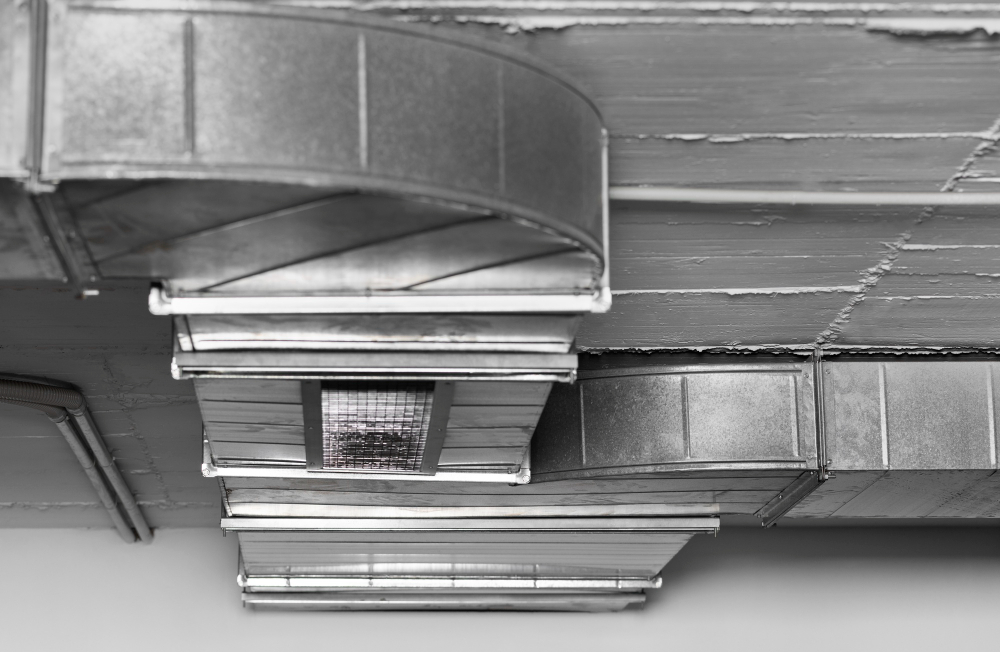
Energy efficiency testing is often misunderstood, even by contractors who claim to specialise in it. Two of the most commonly confused diagnostics are HERS duct testing and blower door testing. They are frequently mentioned together, sometimes bundled into a single “energy test,” and often explained poorly. They are not the same. They do not measure the same thing. They do not solve the same problems. Treating them as interchangeable leads to incorrect fixes, wasted money, and continued comfort issues. This article breaks down the functional differences, testing processes, use cases, and limitations of both methods so homeowners, builders, and property managers understand exactly when each test is needed and how the results should be interpreted. Purpose and Scope of Each Test HERS duct testing focuses exclusively on air leakage within HVAC duct systems. It measures how much conditioned air escapes before reaching the living space. The structure of the home is not evaluated during this test. Blower door testing focuses on air leakage through the building envelope. It evaluates the tightness of walls, ceilings, floors, windows, doors, and all penetrations between conditioned and unconditioned space. The HVAC duct system is not isolated or measured independently. Both tests assess air leakage, but they apply that measurement to entirely different systems. Duct System Leakage Measurement During HERS duct testing, the duct system is sealed and pressurised using a duct blaster fan. Registers are temporarily blocked, and pressure is applied directly to the ductwork. The test measures: Results are expressed as CFM (cubic feet per minute) at a specific pressure, usually CFM25. This test identifies: A home can pass a blower door test and still fail duct leakage limits badly. That scenario is far more common than people expect. Building Envelope Air Leakage Measurement Blower door testing uses a large calibrated fan mounted into an exterior doorway. The fan depressurises or pressurises the entire house, forcing air through every crack and opening in the building envelope. The test measures: Results are expressed as ACH50, which indicates how many times the air inside the home is replaced per hour at 50 Pascals of pressure. This test exposes: It evaluates how well the house itself separates indoor and outdoor air—not how air moves through ducts. Differences in Energy Loss Impact Duct leakage wastes energy after it has already been paid for. Heated or cooled air escapes into unconditioned space, forcing the HVAC system to work harder to maintain set temperatures. Envelope leakage increases energy demand before comfort is even established. Outside air constantly enters the home, requiring additional heating, cooling, and dehumidification. In practical terms: Fixing one does not automatically improve the other. Testing Conditions and Preparation HERS duct testing requires: Blower door testing requires: Neither test can be rushed without compromising accuracy. Poor preparation leads to misleading data, which leads to incorrect recommendations. Learn More: Duct Leakage Testing Explained: Boosting Efficiency & Comfort in Massachusetts Home Code Compliance and Certification Use HERS duct testing is commonly required for: Blower door testing is commonly required for: In many jurisdictions, both tests are mandatory for final approval. Passing one does not compensate for failing the other. Comfort and Indoor Air Quality Implications Leaky ducts often cause: Leaky envelopes often cause: Homeowners frequently misidentify the source of discomfort. Sealing ducts will not fix drafts from leaky walls. Air sealing the envelope will not fix air delivery problems caused by duct leakage. Common Misconceptions One of the most persistent myths is that blower door testing “covers everything.” It does not. A blower door test can show a tight house while duct leakage remains severe. Another misconception is that duct leakage only matters in older homes. In reality, poorly installed duct systems are extremely common in new construction, especially in attics. Energy testing is diagnostic work, not a guessing game. Each test answers a different question. Situations Requiring Combined Testing Both tests should be performed together when: Skipping one test creates blind spots. Blind spots cost money. Result Interpretation and Next Steps Test results are only useful if interpreted correctly. Duct test failures point toward: Blower door failures point toward: Throwing insulation at air leakage problems without testing is ineffective and often counterproductive. Learn More: Top Causes of Air Leaks in New Homes (And How Massachusetts Builders Can Avoid Them) Role of Home Energy Efficiency Consultant At Home Energy Efficiency Consultant, HERS duct testing and blower door testing are treated as diagnostic tools, not sales triggers. The goal is to identify measurable energy losses and target them logically. Testing is performed to: Energy efficiency only works when measurement comes before intervention. Final Comparison Summary Understanding this distinction prevents wasted upgrades and incomplete solutions.

Top Causes of Air Leaks in New Homes (And How Massachusetts Builders Can Avoid Them)
Building a new home in Massachusetts doesn’t guarantee airtight performance. In fact, many “brand-new” properties fail blower-door tests because basic building-science principles get ignored on-site. Air leaks aren’t mysterious — they come from predictable construction shortcuts and coordination gaps. If builders want low HERS scores, fewer callbacks, and homes that actually meet MA energy-code requirements, they need to understand exactly where leaks originate and eliminate them before the final inspection. Below is a no-nonsense breakdown of the most common causes of air leakage in new construction and the straight-forward fixes that stop them. 1. Poor Air-Sealing at the Top Plate and Attic Connections This is the number-one offender. Warm indoor air rises and escapes through unsealed top plates, attic chases, dropped ceilings, and open framing transitions. Why It Happens How Builders Can Avoid It 2. Gaps Around Windows and Exterior Doors Even high-performance windows leak when the rough opening is treated sloppily. Why It Happens The Fix 3. Mechanical Penetrations That No One Tracks Every plumber, electrician, and HVAC tech punches holes in your air barrier. Without coordination, those holes stay open. Typical Problem Areas Solutions That Actually Work Learn More: What Is a HERS Rating and How Is It Calculated? 4. Basement Rim Joists Left Unsealed This is a classic leakage hotspot in New England. Why It Gets Missed The Right Approach 5. Leaky HVAC Ductwork in Unconditioned Spaces If ducts run through attics, basements, or garages, every leak depressurizes the home and pulls in outside air. Why It Happens How to Prevent It 6. Sheathing Joints Not Taped Properly Your exterior sheathing is the primary air barrier — but only if seams are sealed consistently. What Goes Wrong Builder Fixes 7. Attic Accesses and Pull-Down Stairs These are usually giant, unsealed holes. Common Failures How to Do It Right How Massachusetts Builders Can Stay Ahead of Energy-Code Requirements Massachusetts’ energy code is strict — and getting stricter. Blower-door testing is mandatory, and failing it means delays, rework costs, and unhappy clients. Best Practices to Stay Compliant Learn More: Duct Leakage Testing Explained Final Thoughts: Build Tighter, Build Smarter Air leaks don’t happen because the code is too strict — they happen because the build process isn’t disciplined. Tight homes don’t require exotic materials; they require attention to detail and accountability across trades. If you want fewer failed tests, better energy performance, and homes that deliver real comfort, you need a systematic approach to air sealing.Home Energy Efficiency Consultant works with Massachusetts builders to diagnose leakage points, improve air-sealing strategies, and ensure new homes pass blower-door testing the first time.

Duct Leakage Testing Explained: Boosting Efficiency & Comfort in Your Massachusetts Home
When your HVAC system runs, you expect all the conditioned air to reach every room in your home. Unfortunately, that’s not always the case. Hidden leaks within your ductwork can waste a significant amount of energy and reduce overall comfort. In Massachusetts homes—where heating and cooling costs can climb quickly—this inefficiency can hit both your comfort and your wallet. Duct leakage testing is one of the most effective ways to uncover these issues and restore system performance. At Home Energy Efficiency Consultants, we specialise in pinpointing air leaks that compromise efficiency and offering tailored solutions to seal them permanently. The Role of Ductwork in Home Energy Efficiency Your home’s ductwork acts like a distribution network for heated or cooled air. When it’s properly sealed, this system delivers air efficiently to each room, keeping temperatures consistent and energy costs under control. However, many Massachusetts homes—especially older properties—have ducts running through attics, basements, or crawl spaces where temperature extremes and structural movement can create cracks, holes, or disconnected joints. Even a small amount of leakage can result in 20–30% of conditioned air escaping before it reaches its destination. The outcome? Uneven heating or cooling, higher utility bills, and extra strain on your HVAC system. Over time, this inefficiency can shorten the lifespan of your equipment and compromise indoor air quality. The Process of Professional Duct Leakage Testing At Home Energy Efficiency Consultants, duct leakage testing follows a structured and accurate process designed to measure how much air is escaping from your system. 1. Preparation and System Isolation All supply and return registers are temporarily sealed to create a closed environment. This step ensures that the test measures air leakage through the duct system itself, not through open vents or registers. 2. Pressurisation Using a Duct Blaster A specialised fan, known as a duct blaster, is connected to the duct system. This device pressurises the ducts, allowing our technicians to record the amount of air required to maintain a steady pressure. 3. Measuring Leakage The airflow readings are analysed to determine how much air is escaping through leaks, cracks, or disconnections. The results are expressed in cubic feet per minute (CFM) at a given pressure level—providing a clear picture of your system’s performance. 4. Reporting and Recommendations After the test, you’ll receive a detailed report outlining leakage levels, where losses are occurring, and our recommendations for sealing or repair. This data-driven approach eliminates guesswork and ensures that any improvements are targeted and effective. This entire process typically takes one to two hours, depending on the size and complexity of your ductwork. Common Indicators of Duct Leakage in Massachusetts Homes Many homeowners are unaware of how much air escapes through their ducts because the leaks are often hidden behind walls or insulation. However, there are some telltale signs that suggest testing is overdue: If you’ve noticed any of these problems, a professional duct leakage test can identify the cause and guide you toward a solution that restores comfort and efficiency. Impact on Indoor Comfort and Air Quality Leaky ducts don’t just waste energy—they also compromise indoor comfort and air quality. In Massachusetts, where seasonal changes are dramatic, these effects become even more noticeable. When conditioned air escapes through leaks, your HVAC system compensates by running longer to maintain the desired temperature. This can create uneven room temperatures and persistent discomfort. Additionally, leaks located in dusty or contaminated areas can draw in pollutants, allergens, or insulation fibres. This contaminated air is then circulated throughout the home, aggravating allergies and respiratory issues. Proper sealing restores control over airflow and helps maintain a healthier indoor environment. Energy Savings and Efficiency Gains The financial and environmental benefits of duct leakage testing are significant. Studies by the U.S. Department of Energy show that sealing leaks can improve overall HVAC efficiency by up to 20% or more. For Massachusetts homeowners, that means: Considering the relatively low cost of testing compared to the long-term savings, it’s one of the smartest investments a homeowner can make. Duct Sealing Solutions After Testing Once leaks have been identified, the next logical step is to seal them properly. At Home Energy Efficiency Consultants, we use industry-approved methods to ensure durable, long-lasting results. Mechanical Sealing This involves applying mastic sealant or metal-backed tape to close gaps and joints manually. It’s ideal for accessible areas of ductwork and delivers immediate performance improvement. Aeroseal or Aerosol Sealing In cases where ducts are hidden or hard to reach, an aerosol-based sealing technology can be used. This process distributes microscopic sealant particles throughout the duct system, automatically targeting and sealing even the smallest leaks. Both methods are safe, effective, and designed to meet Massachusetts building standards for energy efficiency. Learn More: How Energy-Efficient Upgrades Impact Your HERS Score in MA Long-Term Benefits Beyond Energy Savings The advantages of duct leakage testing extend beyond immediate efficiency gains. When your ductwork is properly sealed, your entire HVAC system operates under less strain. This reduced workload translates into a longer lifespan for compressors, blowers, and motors—components that are expensive to replace. Furthermore, maintaining optimal airflow helps protect humidity balance and comfort throughout the home. It also ensures that any air filtration or purification systems connected to your ducts work more effectively. Over time, these improvements contribute to a more comfortable, stable, and healthy living environment—something every Massachusetts homeowner values. Integration with Home Energy Audits Duct leakage testing is often part of a broader home energy audit, which evaluates how efficiently your entire property uses energy. As part of this assessment, we examine insulation levels, air sealing, ventilation, and HVAC performance. Combining duct testing with a full energy audit gives a complete picture of where your home is losing energy and how to address it systematically. At Home Energy Efficiency Consultants, our holistic approach ensures you get solutions that deliver measurable, lasting results rather than isolated fixes. Factors That Influence Duct Leakage in Massachusetts Homes Several factors contribute to duct leakage, particularly in the local climate: By addressing these root causes, homeowners can
What Is a HERS Rating and How Is It Calculated?
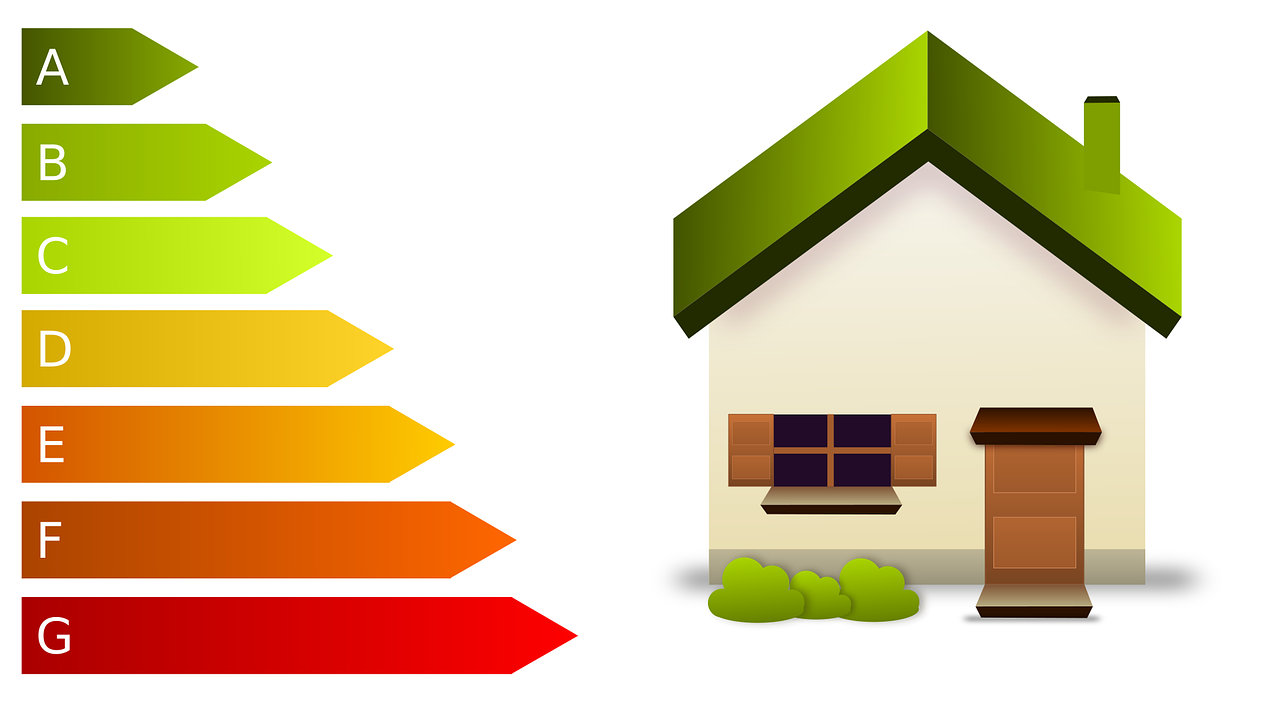
Energy efficiency isn’t just about comfort or lower bills—it’s about quantifying performance. The Home Energy Rating System (HERS) provides that benchmark, allowing homeowners, builders, and energy auditors to measure how efficiently a property operates. At Home Energy Efficiency Consultant, we specialise in performing HERS testing across Massachusetts to help homeowners understand their home’s true efficiency level. This article explains how the HERS Index works, how scores are calculated, and the key tests involved in the process. HERS Index Overview The HERS Index is the nationally recognised scoring system developed by RESNET (Residential Energy Services Network). It measures a home’s energy performance and provides a single number to represent how efficiently it consumes and conserves energy. Every home’s rating is benchmarked against a reference home—a theoretical model built to 2006 International Energy Conservation Code (IECC) standards. A HERS score of 100 represents that benchmark. Scores below 100 mean the home is more efficient; scores above 100 indicate it uses more energy than a standard new home. Interpreting the HERS Rating Scale The HERS Index scale ranges from 0 to 150, where: Typical homes in Massachusetts generally fall between 60 and 90, depending on their age, insulation quality, heating system efficiency, and construction methods.A score of 60 means the home is about 40% more efficient than a standard new build, while a score of 130 means it consumes 30% more energy than the baseline. Step-by-Step Breakdown of the HERS Testing Process To generate an accurate HERS Index score, a certified RESNET Home Energy Rater performs a combination of on-site testing and energy modeling. These procedures assess air tightness, ductwork leakage, insulation effectiveness, and mechanical system efficiency. Blower Door Test for Air Tightness The blower door test measures how airtight a home is—a critical factor influencing heating and cooling efficiency. A high-powered fan is temporarily installed in an exterior doorway. When the fan depressurises the home, it forces air through unsealed gaps, cracks, and penetrations. Sensors then measure the air leakage rate, expressed in CFM50 (cubic feet per minute at 50 Pascals). This test helps pinpoint energy loss through walls, ceilings, attics, and foundation gaps. Improving air tightness often yields some of the highest energy savings per dollar spent. Duct Leakage Test for Air Distribution Efficiency The duct leakage test evaluates the efficiency of the home’s HVAC distribution system. Even well-sealed homes can lose substantial energy through leaky ducts that allow conditioned air to escape before it reaches living spaces. During testing, a duct blaster fan is connected to the home’s HVAC system. All supply and return vents are sealed, and pressure measurements are taken to determine leakage levels. The results are expressed as a percentage of system airflow lost through leaks. For example: Addressing duct leakage not only improves efficiency but also enhances indoor air quality and system longevity. Energy Modeling and Data Analysis After completing physical testing, the energy rater gathers detailed information about the home’s structure and systems, including: All data is entered into RESNET-approved energy modeling software that simulates the home’s annual energy consumption under standard conditions. The model compares the tested home to the reference model to generate the final HERS Index score. This score provides a direct, numerical indicator of the home’s overall energy performance. Learn More: Step-by-Step Guide to Getting Your Home HERS Rated in Massachusetts Interpreting HERS Scores in Real-World Terms A HERS Index score doesn’t just represent efficiency—it directly correlates with energy costs and environmental impact. Below is a general guide to interpreting HERS scores: HERS Score Energy Efficiency Level Approximate Energy Use Compared to Standard Home Typical Example 0 Net-zero 0% Produces as much energy as it uses 40–60 High efficiency 40–60% less ENERGY STAR® homes or high-performance builds 70–90 Moderate efficiency 10–30% less Typical modern homes in Massachusetts 100 Standard code-built Baseline 2006 IECC reference home 130+ Low efficiency 30% more or higher Older, unretrofitted homes A lower score not only means reduced energy bills but often increased resale value, as energy-efficient homes are increasingly desirable to buyers in the Massachusetts housing market. Key Factors That Influence the HERS Index Several design and construction elements contribute to a home’s HERS rating. Understanding these allows homeowners and builders to target improvements strategically. Building Envelope Quality Insulation, air sealing, and construction materials have a direct impact on how well a home maintains indoor temperatures. Poor insulation or air leaks in attics, walls, and basements are major contributors to higher HERS scores. HVAC System Performance Outdated or improperly sized HVAC units consume more energy than necessary. High-efficiency heat pumps, sealed ductwork, and smart thermostats can dramatically lower a home’s HERS score. Window and Door Efficiency Low-E coatings, proper installation, and energy-rated windows prevent heat loss in winter and reduce cooling demand in summer—both critical in Massachusetts’ variable climate. Lighting and Appliances ENERGY STAR-certified lighting, appliances, and water heating systems contribute to a lower HERS score by reducing overall energy consumption. Renewable Energy Integration Incorporating solar panels or other renewable systems can offset the home’s total energy use, helping reach a HERS score closer to zero. Benefits of Knowing Your HERS Rating Understanding your HERS Index is more than an academic exercise—it’s a roadmap for improving performance and controlling energy costs. Homeowners who invest in efficiency upgrades based on their HERS report typically experience: For builders, achieving a lower HERS score can also improve compliance with local building codes and help qualify for certifications like ENERGY STAR, LEED for Homes, or Zero Energy Ready Home. Learn More: How Energy-Efficient Upgrades Impact Your HERS Score in MA HERS Ratings in the Massachusetts Context Massachusetts has some of the most ambitious energy efficiency standards in the United States. Many towns require HERS testing for new construction or major renovations as part of their Stretch Energy Code compliance. Typical new homes that meet Massachusetts code today average around HERS 55–65, while high-performance or Passive House designs can achieve scores under HERS 40. Older properties, especially those built before modern energy codes, often exceed HERS 100, highlighting the need

How Energy-Efficient Upgrades Impact Your HERS Score in MA
In Massachusetts, energy efficiency isn’t just a buzzword—it’s a statewide priority. With energy costs on the rise and increasingly stringent building codes, homeowners are taking proactive steps to improve their homes’ energy performance. One of the most critical tools used to measure this performance is the Home Energy Rating System (HERS) Score. This numerical score reflects how energy-efficient a home is and plays a key role in everything from energy savings to home resale value. For homeowners planning renovations or new constructions, understanding how energy-efficient upgrades affect the HERS score is essential. At Home Energy Efficiency Consultant, we help homeowners across Massachusetts lower their HERS scores by implementing practical, cost-effective energy upgrades. Let’s explore how these improvements make a measurable impact. Understanding the HERS Index in Massachusetts The HERS Index, developed by the Residential Energy Services Network (RESNET), is a nationally recognized system used to assess a home’s energy usage. The scoring system works on a scale: Massachusetts is one of the leading states in the U.S. when it comes to energy standards and green building codes. In many communities across the state, homes are expected—or even required—to meet specific HERS thresholds to qualify for permits, pass inspections, or access incentive programs like Mass Save®. Impact of Insulation and Thermal Envelope Enhancements One of the most effective ways to lower a HERS score is to improve the home’s thermal envelope—the boundary between the interior and exterior, which includes insulation, air barriers, windows, and doors. Benefits of Insulation Upgrades Properly installed insulation in walls, attics, basements, and crawl spaces can dramatically reduce the amount of energy required for heating and cooling. In colder climates like Massachusetts, this is especially critical during the winter months. Upgrades to blown-in cellulose, spray foam, or dense-packed insulation offer: All of these improvements translate into a lower HERS score and higher comfort levels. Role of Air Sealing in Reducing Energy Loss Air sealing is often underestimated, but it’s one of the most cost-effective energy-saving upgrades. During a HERS rating, a blower door test is conducted to determine how much air leaks from the home. By sealing gaps, cracks, and penetrations around ducts, wiring, plumbing, windows, and doors, you reduce the infiltration of unconditioned air. This minimizes the workload on heating and cooling equipment, which can significantly lower your HERS score. Mass Save® often provides rebates and incentives for air sealing as part of their energy efficiency programs, making this upgrade both impactful and affordable. Efficiency Gains from HVAC System Modernization Heating and cooling typically account for the largest share of home energy use in Massachusetts. Outdated or inefficient HVAC systems consume more power, especially if your home lacks proper zoning or control mechanisms. High-Efficiency Furnaces and Heat Pumps Upgrading to a high-efficiency furnace (AFUE 95% or higher) or ductless mini-split heat pump system can dramatically cut energy consumption. These systems offer variable-speed motors, better temperature control, and reduced energy waste. Smart Thermostats Integrating smart thermostats with your HVAC system allows for better energy management and optimized run times, which further improves your overall energy performance—and positively affects your HERS rating. Learn More: Step-by-Step Guide to Getting Your Home HERS Rated in Massachusetts Impact of Window and Door Upgrades Old, single-pane or poorly sealed windows and doors are notorious for energy loss. Upgrading to ENERGY STAR® rated windows and insulated exterior doors helps improve the home’s thermal boundary. Features like: … all contribute to reducing heat loss in winter and heat gain in summer, leading to improved comfort and better energy ratings. Benefits of Renewable Energy Installations Installing solar photovoltaic (PV) systems is one of the most powerful ways to reduce your HERS score. Since HERS calculations account for energy produced on-site, a solar panel system can offset or eliminate your home’s energy consumption from the grid. In some cases, solar energy can bring your HERS score down to zero, classifying your home as net-zero. Massachusetts offers several incentives for solar adoption, including: These programs help offset the cost of installation and dramatically boost the long-term value of your energy-efficient upgrades. Energy-Efficient Lighting and Appliance Selection While insulation and HVAC upgrades offer significant gains, choosing efficient appliances and lighting can further tip the balance. LED Lighting Replacing traditional incandescent or halogen bulbs with LED lighting reduces electricity use and heat generation, improving indoor air quality and comfort. ENERGY STAR Appliances Choosing ENERGY STAR-rated dishwashers, refrigerators, washing machines, and water heaters ensures your home uses less electricity and water while meeting performance standards. These appliances are factored into your HERS score and contribute to overall energy efficiency. Influence of Water Heating Efficiency Water heating is typically the second-largest energy expense in a home after space heating. Upgrading to an ENERGY STAR water heater or a heat pump water heater can result in: For households in MA, this change often qualifies for rebates through Mass Save®, especially when paired with other energy-saving improvements. Steps in the HERS Rating Process To understand how your upgrades influence the score, it helps to know how a rating is performed. Here’s what to expect when you work with a certified rater from Home Energy Efficiency Consultant: Local Incentives That Support HERS Improvements Massachusetts is known for its robust support of energy efficiency. Residents can take advantage of: By leveraging these programs, homeowners can dramatically reduce out-of-pocket costs while increasing the long-term energy performance of their homes. Long-Term Advantages of a Lower HERS Score The impact of lowering your HERS score goes well beyond meeting local building codes. Here are some lasting benefits: Partnering with Home Energy Efficiency Consultant At Home Energy Efficiency Consultant, we specialize in guiding Massachusetts homeowners through every step of the energy efficiency journey. From the initial assessment to implementation and final scoring, we ensure every upgrade you invest in has measurable, lasting impact. Our Services Include: Whether you’re renovating an older home or building from the ground up, we’re here to help you make smart, energy-conscious decisions that benefit your home and your wallet. Learn More: Good HERS

Step-by-Step Guide to Getting Your Home HERS Rated in Massachusetts
If you’re building, renovating, selling, or buying a home in Massachusetts, you’ve likely heard about HERS ratings. This rating system plays a key role in determining a home’s energy efficiency and meeting local building codes. Understanding the process can feel overwhelming, but it doesn’t have to be. This in-depth guide from Home Energy Efficiency Consultant will walk you through each stage of getting your home HERS rated in Massachusetts, helping you make informed decisions for your property and energy savings. Understanding the HERS Rating System The Home Energy Rating System (HERS) Index is a nationally recognised scoring method developed by RESNET (Residential Energy Services Network). It measures a home’s energy performance compared to a reference standard home. Here’s how it works: In Massachusetts, HERS ratings are not just an efficiency benchmark. They are required for code compliance in many towns and cities, qualifying for incentives, and demonstrating commitment to sustainability. Benefits of Getting a HERS Rating Before diving into the process, here are some practical benefits of having your home HERS rated: Step 1: Finding a Certified HERS Rater The first step is selecting a certified HERS rater accredited by RESNET. These professionals are trained to assess, test, and model home energy performance accurately. When choosing a rater, consider: At Home Energy Efficiency Consultant, we partner with certified, reliable HERS raters across Massachusetts to simplify this process for our clients. Step 2: Scheduling a Preliminary Consultation After selecting your rater, you’ll schedule a preliminary consultation. During this stage, the rater will: This consultation is crucial for establishing expectations and preparing for a smooth assessment. Learn More: Good HERS Score for Energy-Efficient Homes Step 3: Conducting the On-Site Assessment The on-site visit is a detailed inspection involving: Blower Door Test A blower door test measures the airtightness of your home. The rater mounts a fan into an exterior door frame to pressurise or depressurise the house, measuring how much air leaks through unsealed cracks or gaps. Excessive air leakage can lead to energy loss, discomfort, and moisture issues. Duct Leakage Testing If your home has ducted heating or cooling systems, duct leakage testing checks for leaks that reduce efficiency. Sealing ductwork can improve energy performance and indoor air quality. Visual Inspections The rater will visually inspect: All this data provides a comprehensive picture of your home’s current or projected energy efficiency. Step 4: Energy Modelling and Analysis After collecting data, your rater will create an energy model using specialised software. This model: This modelling accounts for climate data, building orientation, envelope characteristics, HVAC efficiency, lighting, and other performance factors to deliver an accurate score. Step 5: Receiving Your HERS Rating Report Once the analysis is complete, your rater will provide a HERS rating report that includes: For builders, this report ensures your project complies with Massachusetts building codes before moving forward. Step 6: Implementing Recommended Improvements If your HERS score is higher than desired, your rater will suggest practical improvements. Common recommendations include: Implementing these changes not only lowers your HERS score but also reduces long-term utility costs, enhancing comfort and indoor air quality. Step 7: Scheduling Final Testing and Certification After improvements are completed, your rater will perform final testing and inspections to verify that all upgrades meet specifications and perform as intended. If all standards are met: Timeframe for Completing a HERS Rating The duration of the HERS rating process varies based on your project size and schedule coordination. Typically: Starting early in your construction or renovation timeline ensures smooth integration without project delays. Frequently Asked Questions How often do I need a HERS rating? For new constructions and major renovations, a HERS rating is typically required once per project. However, if you make significant energy upgrades in the future, a re-rating can reflect improvements in efficiency. Can I get a HERS rating for an existing home? Yes. Existing homes can be HERS rated to assess their energy efficiency and identify areas for cost-effective upgrades. Is a lower HERS score always better? Yes. The lower the score, the more energy-efficient the home. A score of 0 indicates a net-zero energy home, which is ideal for long-term savings and environmental sustainability. Conclusion Getting your home HERS rated in Massachusetts is an essential step towards building or owning an energy-efficient property. The process involves: ✅ Finding a certified HERS rater✅ Completing a detailed assessment and testing✅ Receiving a comprehensive report with actionable insights✅ Implementing improvements for optimal energy performance✅ Obtaining final certification for compliance and incentives At Home Energy Efficiency Consultant, we’re dedicated to simplifying this process for homeowners and builders across Massachusetts. Whether you’re constructing a new property or upgrading your current home, our team can connect you with certified raters, guide you through improvements, and ensure your home achieves the best possible energy rating.

Good HERS Score for Energy-Efficient Homes
The HERS score plays a crucial role in home construction, purchase decisions, and energy-saving upgrades. For homeowners, builders, and real estate investors, knowing the implications of this rating helps maximise property value, reduce long-term costs, and contribute positively to the environment. Overview of the HERS Index System The Home Energy Rating System (HERS) Index is the industry standard for measuring a home’s energy efficiency in the United States. Developed by RESNET (Residential Energy Services Network), this index compares a home’s energy use to a baseline standard. A typical new home built to code is assigned a score of 100 on the index. A net-zero energy home, which produces as much energy as it consumes, scores 0. The scale is open-ended above 100 for homes consuming more energy than the reference standard, often due to outdated systems or insufficient insulation. Interpretation of HERS Scores Lower scores signify better efficiency and less energy consumption. Here is a detailed breakdown of different score ranges and their meanings: HERS Score Range Performance Explanation 0 Net-zero energy home with renewable systems fully offsetting energy usage. 1-50 Exceptional efficiency achieved through superior insulation, advanced air sealing, high-performance windows, and often renewable energy integration such as solar. 51-65 Very efficient modern homes with strong building practices exceeding minimum code requirements. 66-85 Newer homes built to meet standard code; efficient but lacking advanced technologies or additional energy upgrades. 86-100 Existing homes meeting older standards with higher utility bills. 100+ Inefficient homes with outdated construction, minimal insulation, and old mechanical systems leading to high energy consumption. Characteristics of Homes Achieving Lower Scores Homes scoring below 50 incorporate numerous energy-saving elements: Energy Savings Linked to Different Scores For every point reduction on the HERS Index, a home’s energy consumption decreases by approximately 1%. For example: Good HERS Score Benchmarks for New Constructions Builders aiming for market competitiveness and sustainability often target HERS scores between 40 and 60. This range provides: Some advanced builders specialising in passive houses or net-zero energy homes aim for scores under 20 or even 0, incorporating technologies such as heat recovery ventilation systems, triple-glazed windows, structural insulated panels (SIPs), and solar arrays. Evaluating Existing Homes for Improvement Older homes commonly have HERS scores above 100, reflecting outdated building methods and mechanical systems. Improving such homes involves: Even moderate retrofits can reduce scores by 20-30 points, resulting in significant energy savings and enhanced indoor comfort. Financial and Lifestyle Benefits of Achieving a Good Score A lower HERS score provides immediate and long-term advantages: Processes Involved in Obtaining a HERS Rating A certified HERS rater conducts a thorough evaluation involving: Homeowners and builders receive a detailed report outlining the final score, areas of strength, and opportunities for improvement. Regional Standards and Certification Requirements Some states, municipalities, and energy efficiency programs set minimum HERS scores for new constructions or renovations. For example: Steps for Builders Targeting Optimal Scores Builders aiming for competitive energy-efficient homes implement: Potential Challenges in Achieving Lower Scores While targeting a low HERS score brings significant benefits, challenges may include: However, these challenges are increasingly mitigated by falling costs of renewable energy systems, builder education programs, and supportive local government policies. Future Trends in Energy Efficiency Ratings As climate targets tighten, the construction industry moves towards net-zero energy ready and carbon-neutral standards. Emerging trends influencing future HERS scores include: Homes designed and constructed with these considerations will achieve exceptionally low HERS scores, positioning them as future-proof assets in the real estate market. Conclusion: Defining a Good HERS Score For new constructions, a HERS score under 60 is widely regarded as good, with scores under 50 placing a home among the most energy-efficient in its category. Existing homes benefit from incremental improvements aiming to reduce their current score by at least 20-30 points, enhancing comfort, lowering operational costs, and increasing market value. Achieving a favourable HERS score requires a combination of thoughtful design, quality construction, and advanced technologies. For homeowners, understanding and improving this rating delivers both financial rewards and environmental benefits, contributing to a more sustainable future.